

Every year in the US, RSV leads to about
60,000–160,000
hospitalizations and 6,000–10,000 deaths in adults 65 years or older

58,000–80,000
hospitalizations and an estimated 100–300 deaths in children under 5 years old

About RSV
What is RSV?
The RSV is a common virus that affects the nose, throat, lungs, and airways. RSV is transmitted through droplets when someone with the virus coughs, sneezes, or kisses. It's also possible to contract RSV by touching a surface that has the virus on it, and then touching the eyes, nose, or mouth. A person with RSV is most likely to spread the virus, or be contagious, during the first week after infection. RSV usually has mild symptoms that are like the common cold: congested or runny nose, dry cough, fever, sore throat, sneezing, and/or headache. However, in some people, RSV can be more serious. In most parts of the US, RSV season usually begins in November and goes through March.
Sources: National Foundation for Infectious Disease, Mayo Clinic,
MedlinePlus
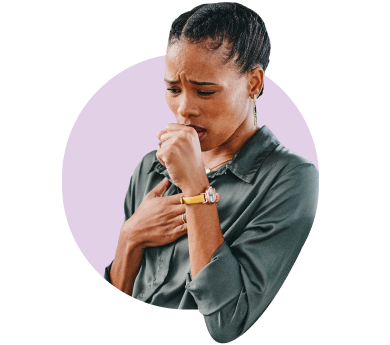
Understanding RSV risk and exploring clinical trial options
While anyone at any age is at risk of RSV, infants and older people have a higher risk of having a severe RSV infection and may need hospitalization.

Adults at high risk for severe RSV:
- Over 60 years old
- Have chronic heart or lung disease
- Have weakened immune systems
If you are 18 years or older, have RSV, are not currently hospitalized, and are at high risk for severe RSV, you may be eligible for a study.
Children at high risk for severe RSV:
- Premature infants
- Infants under 12 months
- Children under 2 years with chronic lung disease or congenital heart disease
- Children with weakened immune systems
- Children with neuromuscular disorders
If your child is under 5 years old, has RSV, and is not currently hospitalized, they may be eligible for a study.
Sources: Centers for Disease Control and Prevention, Centers for Disease Control and Prevention, Centers for Disease Control and Prevention
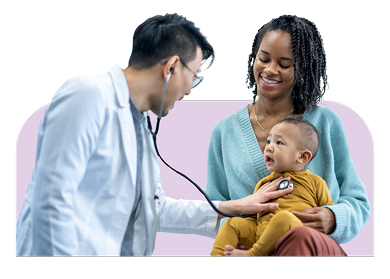
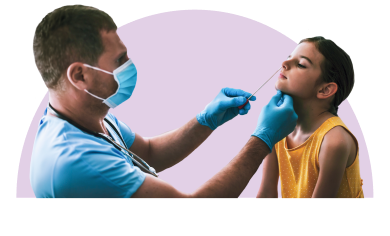
RSV diagnosis
Rapid antigen test
- Sample of fluid taken from the nose
- Only effective in infants and younger children
PCR test
- Swab taken from the nose
- Should be used to test older children and adults
Timely RSV testing is especially important in infants and older adults because the doctor can confirm the cause of their symptoms and assess whether a treatment or clinical trial may be appropriate. If the test comes back positive, infants and older adults may need treatment in the hospital right away if they have more serious symptoms.
Sources: MedlinePlus, Centers for Disease Control and Prevention
RSV treatment and prevention
Currently, there are no FDA-approved oral medications for treatment available for RSV.
To help prevent severe RSV, vaccines are available for older adults and pregnant people and monoclonal antibody products are available for infants and young children. But even after vaccination or immunization, adults, children, and infants can get RSV and may need treatment.
Over-the-counter medications can help manage symptoms such as fever and discomfort. A doctor may recommend nasal saline drops or a suction tool to help clear up a stuffy nose. If an RSV infection becomes severe and requires hospitalization, oxygen or IV fluids may be needed for treatment.
Mild RSV infections tend to clear up on their own in about 1 to 2 weeks without any treatment.
Sources: American Lung Association, Centers for Disease Control and Prevention




Join Gilead Trial Connect and help advance clinical research. Your participation is key to developing future treatments.