

Featured trials

In the US, approximately
.png)
WOMEN HAVE PBC.
Without a cure, more clinical research is needed to find treatment options that could potentially help manage alkaline phosphatase (ALP) levels.
Source: Liverfoundation.org
Nearly a decade of PBC clinical research with seladelpar
.png)
*The original ASSURE long-term safety study was stopped early and then re-started in 2021. Source: Kamata S et al, 2023
†Still recruiting.

About primary biliary cholangitis (PBC)
What is PBC?
PBC is a chronic liver disease that occurs when the small bile ducts in the liver get inflamed and then eventually destroyed. This leads to bile build-up, causing liver damage, scarring, and potentially liver failure. PBC is an autoimmune disease where the body’s immune system mistakenly attacks healthy bile duct cells.
Sources: National Institute of Diabetes and Digestive and Kidney Diseases, Merckmanuals.com
.png?iar=0&hash=7F13BC39AC2D90DAFF3476385B2625B5)
Who’s at risk for PBC?

Who’s at risk for PBC?
While PBC can affect anyone at any time, it’s more common in:
- Women
- People between 35 to 60 years old
- People who are white
- People who have a family member (especially a sibling) with PBC
Sources: Liverfoundation.org, National Institute of Diabetes and Digestive and Kidney Diseases
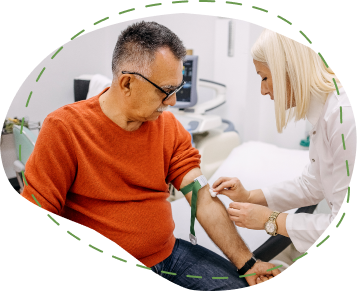
PBC diagnosis
PBC often goes unnoticed as many people have no symptoms. It’s typically discovered due to abnormal results in routine liver blood tests.
Blood tests
- Alkaline phosphatase (ALP) levels: Individuals with PBC usually have high ALP levels in the blood, which might be liver damage
- Antimitochondrial antibodies (AMA): The presence of AMAs in the blood is positive in most PBC cases
Sources: Liverfoundation.org, National Institute of Diabetes and Digestive and Kidney Diseases

PBC symptoms
- Early and most common symptoms: Itching and feeling tired
- Less frequent symptoms: Stomach pain, joint pain, or dry mouth and eyes
- Later stage symptoms: Darkening or yellowing of the skin, small yellow bumps on the skin, swelling of the legs and feet, or an enlarged stomach
Sources: Liverfoundation.org, National Institute of Diabetes and Digestive and Kidney Diseases



Join Gilead Trial Connect and help advance clinical research. Your participation is key to developing future treatments.